
If you’ve ever been labeled a high-risk driver, you already know how quickly insurance premiums can climb. A single accident, a few traffic violations, or even limited driving history can push you into a category where every quote feels expensive. What I’ve been noticing, though, is that insurers are slowly moving away from fixed labels. Instead of judging drivers only on past records, they are starting to use AI to evaluate how you actually drive today.
AI in insurance pricing for high-risk drivers focuses on real driving behavior, not just historical incidents. By analyzing patterns like speed, braking, distance, and consistency, insurers can reassess risk more accurately and, in many cases, offer lower premiums to drivers who demonstrate safer habits over time.
Why High-Risk Drivers Traditionally Pay More for Insurance
Insurance companies have always relied on historical data to assess risk. If your record shows accidents or violations, the system assumes a higher probability of future claims. While this approach protects insurers, it often keeps drivers stuck in a high-risk category even after they improve their behavior.
From what I’ve seen, this creates frustration because premiums do not always reflect current driving habits. A driver who has changed their behavior still pays for past mistakes, and that is exactly where AI-based insurance models are starting to make a difference.
How AI Tracks Real Driving Behavior Instead of Just History
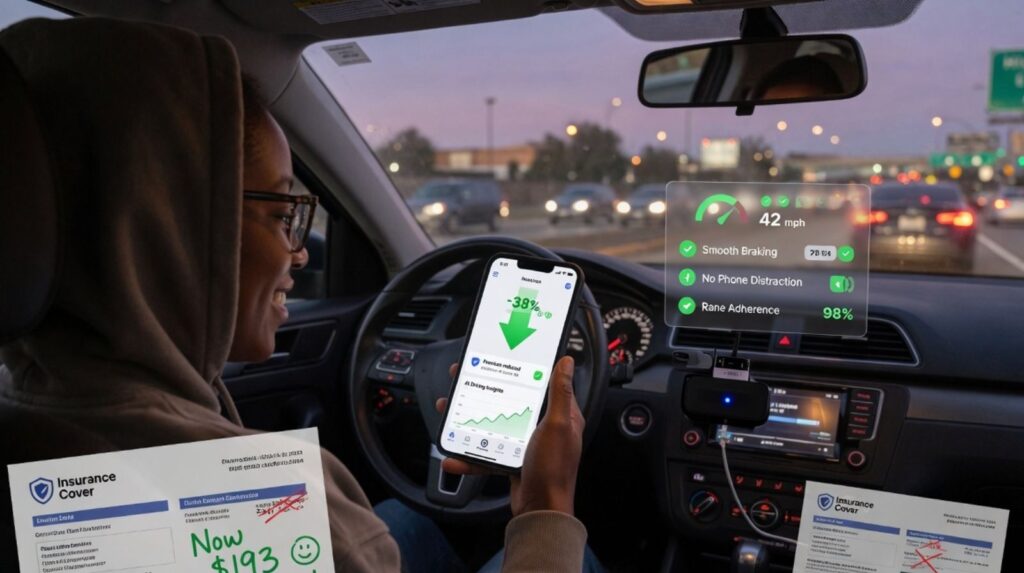
AI-powered insurance systems use telematics data to understand how you drive on a daily basis. This data comes from mobile apps or in-car devices that track key driving patterns.
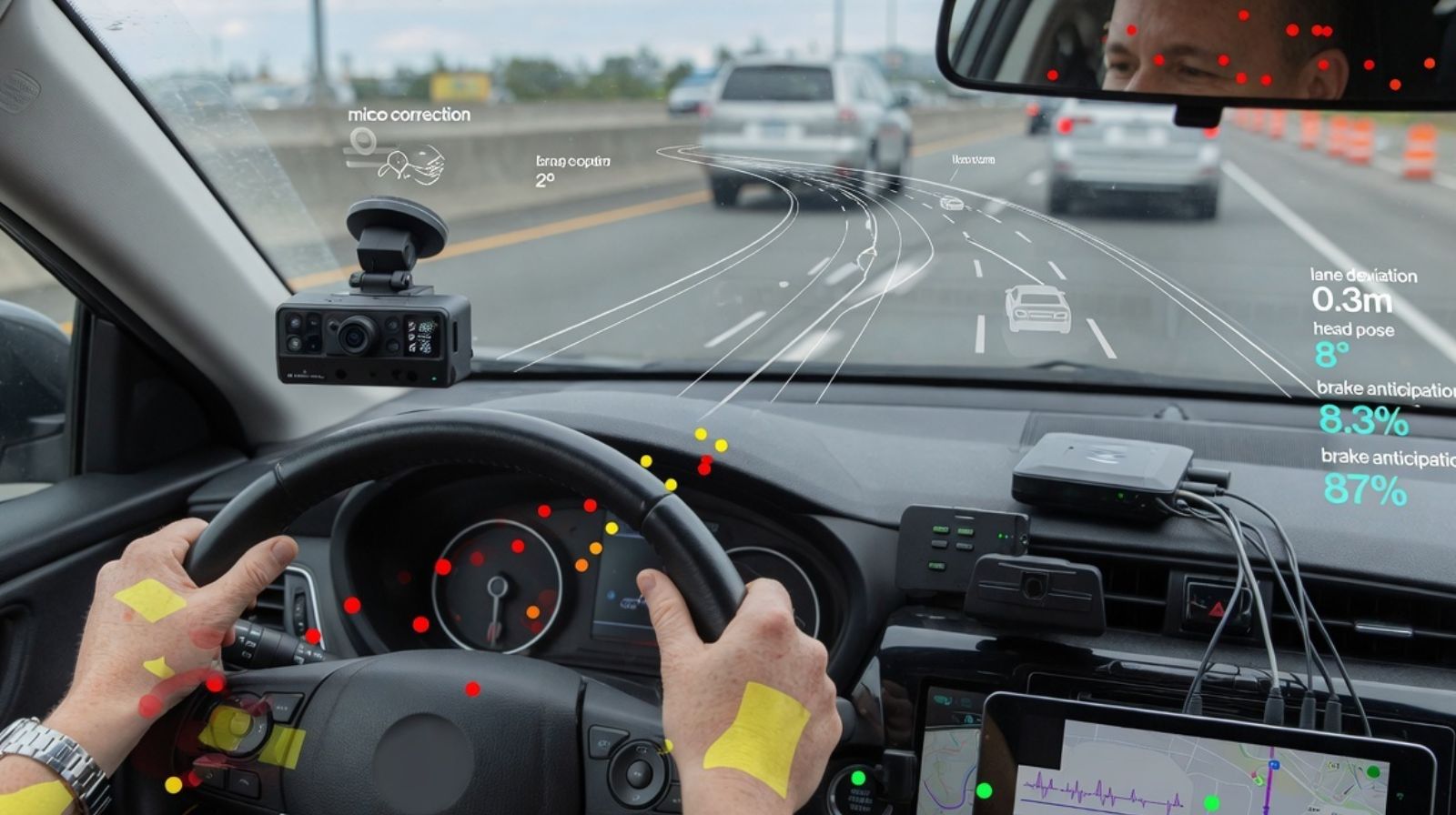
Instead of relying only on your past record, the system evaluates things like how smoothly you accelerate, how often you brake suddenly, how consistently you follow speed limits, and how frequently you drive during high-risk hours.
From my perspective, this creates a more fair evaluation because it reflects what you are doing now, not just what happened before. This is why usage-based insurance powered by AI is gaining traction among insurers.
Usage-Based Insurance and Pay-How-You-Drive Models
One of the most practical applications of AI in this space is usage-based insurance. In this model, your premium is directly influenced by your driving behavior. If you drive safely and consistently, your risk score improves, which can lead to lower premiums over time.
What I’ve noticed is that this model encourages better driving habits. Instead of feeling stuck with a high premium, drivers have a clear way to improve their rates through consistent behavior.
This is where pay-how-you-drive insurance programs become valuable, especially for drivers trying to rebuild their profile.
Real-Time Feedback That Helps Drivers Improve
AI systems do not just collect data, they also provide feedback. Many insurance apps show driving scores, highlight risky behaviors, and suggest ways to improve. For example, if the system detects frequent hard braking, it may recommend smoother driving techniques.
From my experience, this feedback loop makes a big difference. Instead of guessing what affects your premium, you get clear signals about what to change.
Over time, these small adjustments can lead to measurable improvements in both driving habits and insurance costs.
Personalized Risk Scoring Instead of General Categories
Traditional insurance models group drivers into broad categories, but AI changes that by creating personalized risk profiles.
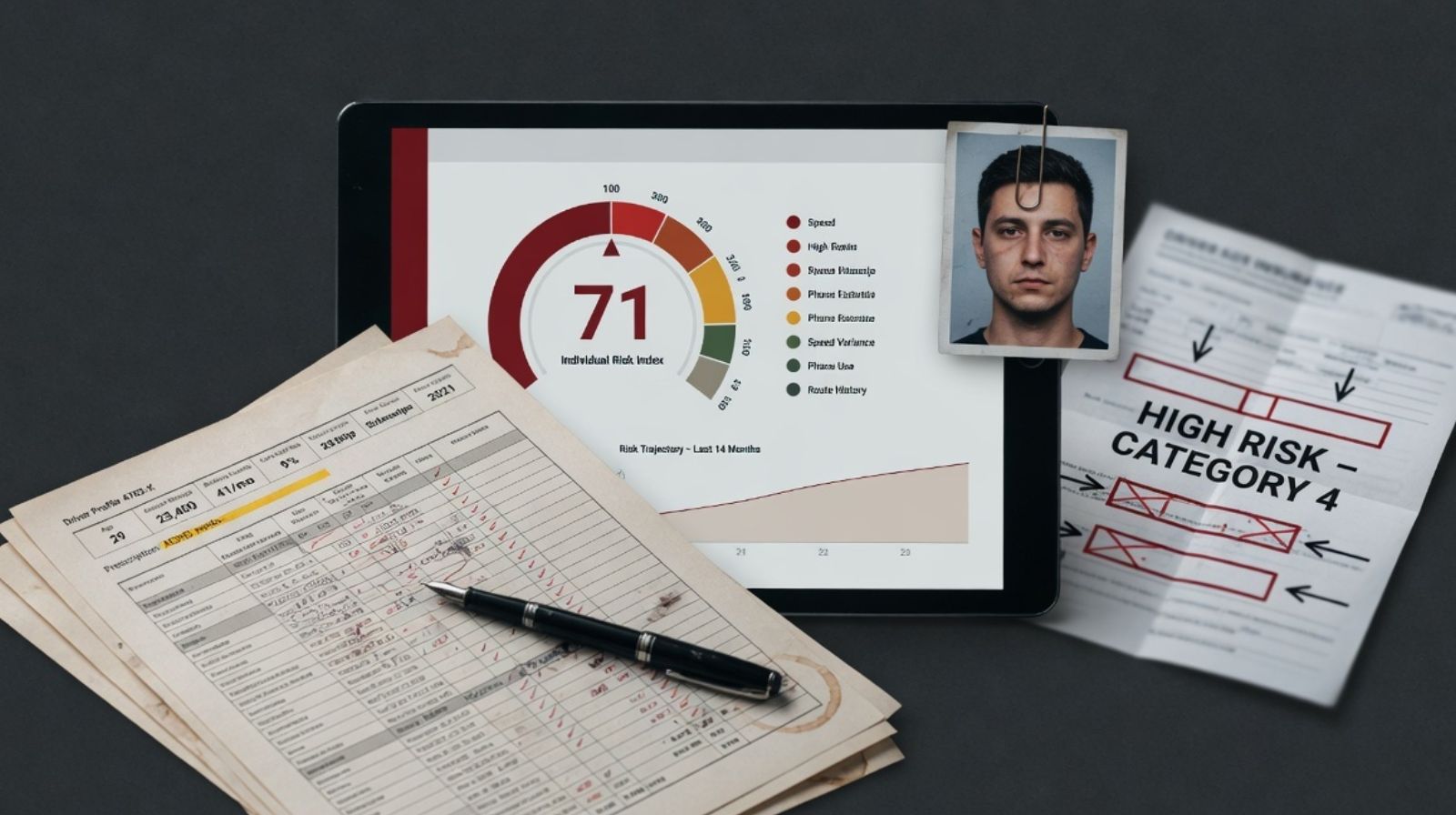
Instead of being labeled simply as “high-risk,” your premium is adjusted based on your individual behavior. This means two drivers with similar past records can receive different rates depending on how they currently drive.
What stands out to me is that this approach rewards improvement. It gives drivers a way to move out of high-risk pricing instead of being stuck there.
Faster Premium Adjustments Based on Behavior
Another change I’ve observed is how quickly premiums can adjust. In traditional systems, it may take years for your record to improve enough to affect pricing. AI-based systems can update risk scores more frequently because they rely on real-time data.
This means safe driving can lead to lower premiums sooner, which makes the system feel more responsive and practical.
Where Drivers Still Need to Be Careful
Even though AI offers more flexibility, it does not guarantee lower premiums automatically. Driving behavior still needs to be consistent over time. Occasional improvements may not be enough if risky patterns continue. Privacy is another factor to consider, as these systems rely on continuous data tracking.
From my perspective, the key is to treat these programs as long-term tools rather than quick fixes.
What This Means for High-Risk Drivers
The biggest shift I’ve noticed is that high-risk status is no longer permanent in the same way it used to be.
AI allows insurers to reassess drivers based on current behavior, which creates an opportunity to improve pricing through consistent, safer driving. This makes the system more dynamic and, in many cases, more fair.
A More Practical Way to Lower Insurance Premiums
AI in insurance for high-risk drivers is not just about technology. It is about changing how risk is measured.
Instead of relying only on past mistakes, insurers can now evaluate ongoing behavior. This gives drivers a clear path to reduce premiums by improving how they drive.
From what I’ve seen, this shift benefits both sides. Insurers reduce risk more accurately, and drivers gain more control over their insurance costs.
FAQs
Yes, AI can lower premiums by analyzing real driving behavior and rewarding safer habits over time.
It is a model where your premium depends on how you drive, using AI and telematics data to assess risk.
Some programs use mobile apps, while others require a small device installed in your vehicle.

Samuel Clarke
Samuel ClarkeSamuel Clarke is an insurance specialist with hands-on experience in policy management, risk assessment, and customer-focused financial protection strategies. He holds a Bachelor’s degree in Business Administration from the University of Florida, He has already built a strong foundation in the insurance industry, having previously worked as an Insurance Manager.